By Shawn Tierney
Urban Boise Advisor
A condominium can make a strong first impression. The view, finishes, and floor plan may seem like a perfect fit at first. Those things matter, but they are only the most visible part of the decision.
When I evaluate a property with a client, I also want to understand the building, association, location, ownership responsibilities, and how the property supports the client’s life and longer-term plans.
That perspective has been shaped by working with buyers and sellers in Boise condominium buildings, evaluating investment and development opportunities, spending 17 years in Ketchum, and operating hospitality businesses where the quality of an experience depended on many details working together. The goal is not to make every purchase feel complicated. It is to understand the right details before they become surprises.
More Life and Less Driving
What interests me about close-in living is having more of daily life within reach. Walking to coffee, dinner, an event, a park, or the Greenbelt can change a week's rhythm. Less time maintaining a yard or driving between destinations may create more time for travel, recreation, family, and the parts of Boise someone wants to enjoy.
That trade is personal. Some buyers value space, privacy, and land. Others will exchange some square footage for convenience and flexibility. The useful question is what someone hopes to gain and whether the property will support that life in practice.
This is especially relevant for downsizers and second-home buyers. A Boise condominium can provide a connected home base with access to downtown, the airport, and outdoor recreation. But “low maintenance” should not be assumed. It depends on how the building operates, what the association maintains, and what ownership still requires.
The Building Is Part of the Property
First-time condominium buyers often focus heavily on the unit because it is what they can see and experience most directly. Yet the building can influence daily life and long-term ownership just as much.
Construction quality, maintenance, management, association finances, insurance, reserves, planned capital projects, parking, storage, rules, and building culture all matter. Parking and storage may be deeded, assigned, or governed as limited common elements. Rental policies can affect flexibility. A future assessment can change the true cost of ownership. Even routines such as receiving deliveries, hosting guests, or moving furniture vary between buildings.
I often tell clients that the HOA is part of the real estate. Governing documents and financial records are not secondary paperwork to review after choosing a unit. They define what you're buying, how the property is operated, and which responsibilities are shared. Two condominiums with similar prices and square footage can therefore offer very different ownership experiences.
The Specific Block Matters
Buyers sometimes begin with a broad statement: “I want to live downtown.” Once they compare locations, that preference usually becomes more precise.
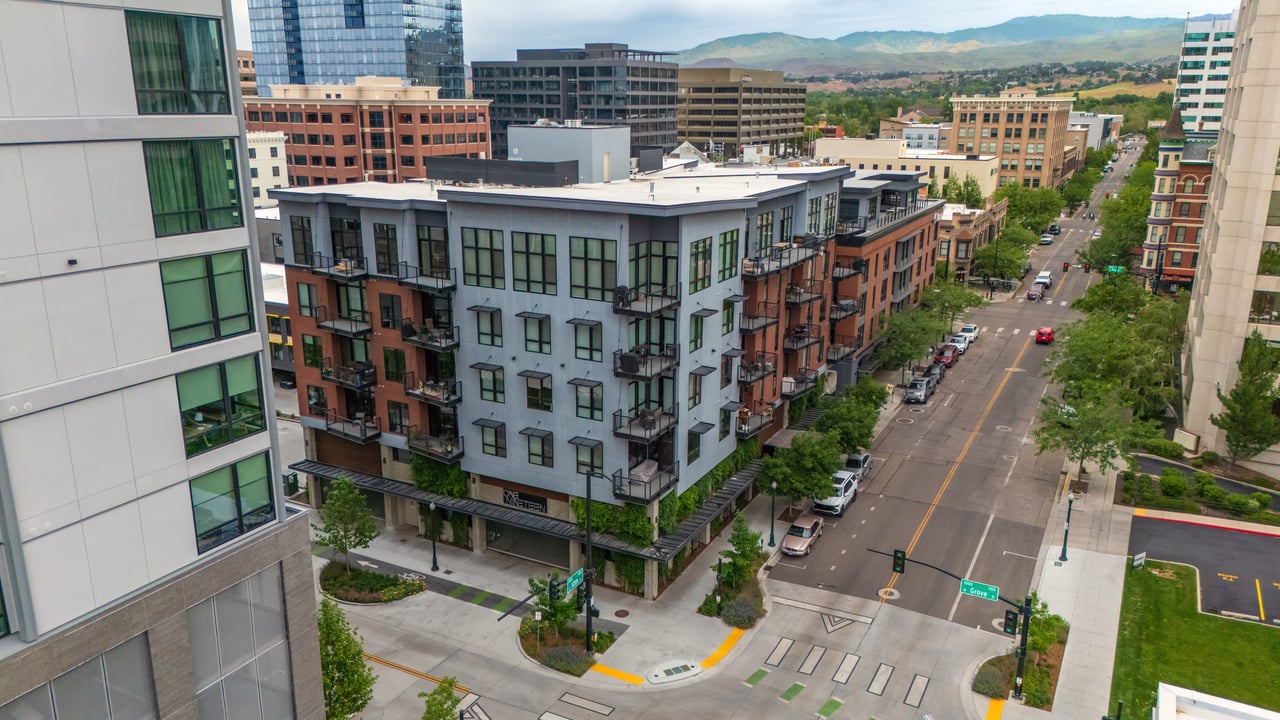
A few blocks can materially change the experience. One location may place restaurants and events immediately outside the door but come with more activity and noise. Another may feel more residential while remaining close to downtown. Views, sunlight, traffic patterns, parking access, and nearby construction can all shift within a short distance.
I also want to understand what may change around a property over the next five or ten years. Zoning, development plans, and added density can affect daily experience and future appeal. Those questions require care because a proposed project is not the same as an approved one, and approval does not guarantee construction. Still, the surrounding context belongs in the evaluation.
Lifestyle and Investment Belong in the Same Conversation
I work with clients whose priorities include full-time living, second-home use, rental income, development potential, or some combination of those goals. That experience has taught me not to separate lifestyle and financial questions too quickly.
A property can be a good lifestyle choice and still deserve a disciplined financial review. Association dues, taxes, insurance, utilities, maintenance responsibilities, and possible assessments all contribute to the cost of ownership.
Future resale is also worth considering, not as a promise of appreciation but as a way to test the decision. Who is likely to value this residence five or ten years from now? Will the location, floor plan, views, parking, building quality, fees, and ownership flexibility remain compelling to another buyer?
The answer doesn't have to point to the property with the highest theoretical return. Real estate is lived in, and enjoyment has value. The purpose of the analysis is to make the trade-offs visible.
One Market Is Not Enough
I try not to look at “the Boise market” as one market. I want to understand the specific building, location, likely buyer, and what is happening around the property.
This is particularly important with condominiums. Downtown condos do not always move with citywide single-family statistics. Association condition, amenities, parking, views, age, reputation, and a limited number of comparable sales can create different demand patterns from one building to another.
Inventory can be misleading for the same reason. A handful of active listings may appear to give buyers several choices, even when those properties differ substantially in location, ownership structure, building condition, or intended buyer.
New development adds another variable. A new building can shift expectations for design, finishes, amenities, parking, and price, affecting how buyers view existing properties. Evaluate that influence building by building rather than assuming it across the market.
Good representation means helping a client see the reasons to proceed and the reasons to pause. Sometimes the most valuable advice is to walk away from a property that does not support the client’s goals.
Urban Boise gives us a place to examine these questions more consistently and organize knowledge that is often scattered across listings, documents, transactions, and individual experience. The result should be a clearer understanding of what distinguishes one property from another and which trade-offs make sense for the person making the decision.