A condominium association is part of the ownership structure, not an outside organization that simply collects dues. It maintains shared property, administers governing documents, manages common expenses, purchases insurance, plans for repairs, and makes decisions that affect every owner.
Responsibilities vary by community, but finances and operating practices can influence daily life, future costs, financing, and resale. Understanding an association requires more than checking the monthly dues. The better test is whether its responsibilities, resources, and decisions align with the property’s needs.
Responsibilities, Governance, and Management
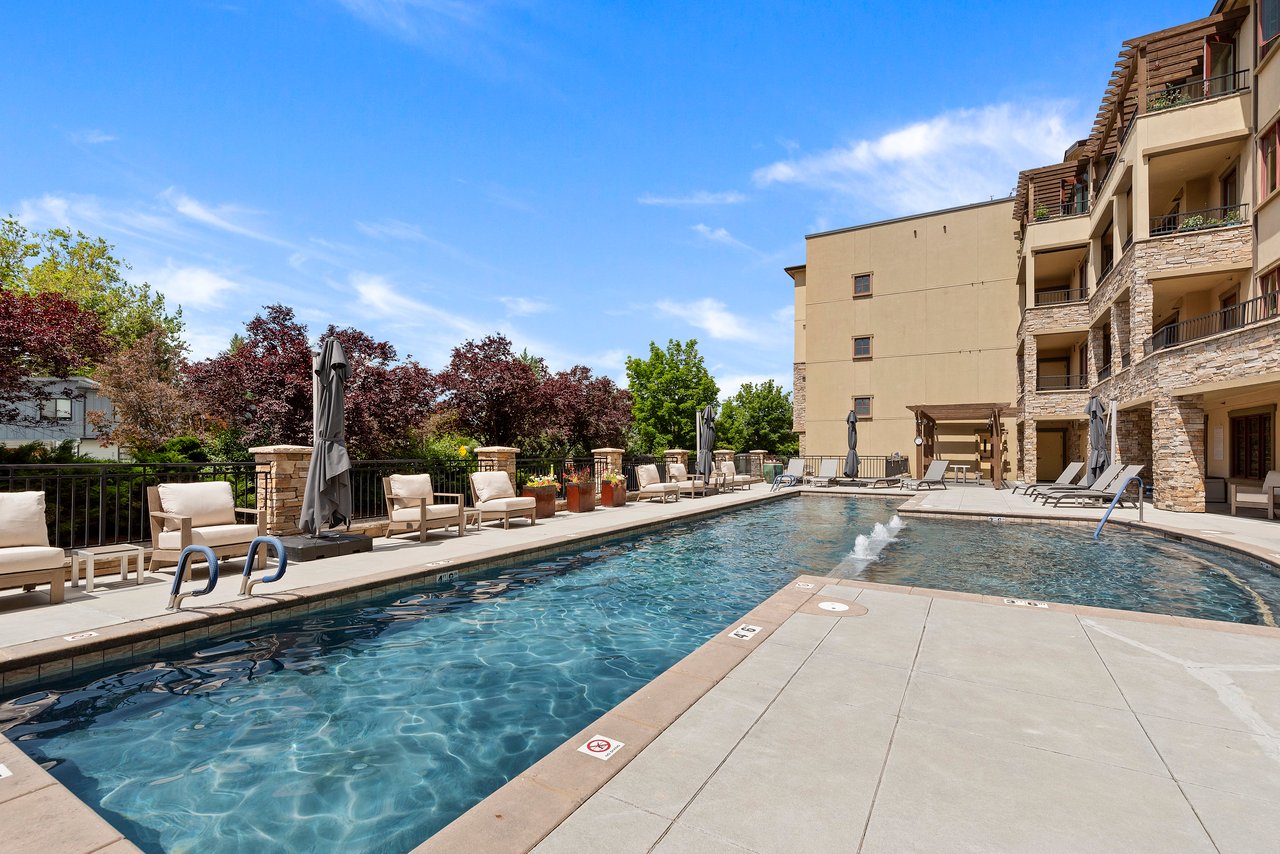
The governing documents define the association’s authority and divide responsibilities between the association and individual owners. Depending on the property, the association may maintain roofs, exterior walls, elevators, hallways, landscaping, parking structures, utilities, building systems, amenities, and other common elements. In another community, some of those obligations may belong partly or entirely to the owner.
Most associations operate through a board elected by owners. Some hire professional management to coordinate vendors, accounting, communication, records, maintenance, and rule administration. Smaller communities may manage more internally and depend more heavily on owner participation. Neither model guarantees quality; key considerations include responsiveness, recordkeeping, continuity, and whether the management approach matches the property’s complexity.
Meeting minutes and owner communications provide context that budgets alone may not show. They can reveal recurring maintenance concerns, upcoming contracts, insurance issues, rule discussions, and owner priorities. Disagreement is not necessarily a warning. What matters more is whether decisions are documented, responsibilities are addressed, and owners receive clear information.
Dues, Reserves, and Major Projects
A dues figure says little on its own. One association may collect less because it maintains fewer shared components. Another may collect more to support elevators, staffing, utilities, insurance, extensive common areas, or stronger reserve contributions.
Separate recurring operating expenses from long-term capital funding, then identify which costs remain with individual owners. Without that context, an adequately funded building can appear expensive and an underfunded building affordable.
Reserve funds allow an association to prepare for periodic repair and replacement. A reserve study or other capital plan may estimate component condition, timing, and projected cost. The reserve balance matters, but it should be interpreted alongside the property’s age, complexity, condition, planned work, and funding strategy.
A special assessment is an additional charge for an expense beyond the regular budget and available reserves. It may fund an unexpected repair, increased insurance cost, deferred work, or an improvement selected by owners. Buyers should understand the project scope, how the amount was developed, whether work has started, whether the funding is expected to be sufficient, and whether related projects may follow.
Insurance and Shared Risk
The association typically carries a master policy for the property and risks assigned to it. Unit owners obtain separate coverage for their own property, improvements, liability, loss assessment exposure, and other individual risks.
The boundary depends on the governing documents and policies. Review deductibles, exclusions, coverage limits, and responsibility for interior finishes together. Rising premiums, higher deductibles, or reduced coverage can affect both the association budget and the risk owners retain.
Rules and Community Expectations
Association rules help manage shared living. They may address pets, leasing, noise, smoking, balconies, parking, guests, renovations, moving procedures, and common spaces.
Rules are common. More relevant questions are whether they are clear, consistently enforced, and compatible with how an owner expects to use the property. Rules that exist only on paper may not reflect real-life building use, while inconsistent enforcement can create uncertainty.
Everyday operations provide another view of the association. Clean common areas, functional systems, clear notices, and organized maintenance can suggest that routine responsibilities are receiving attention. These observations are useful when considered with the documents and finances, not as substitutes for them.
How to Review an Association
No single document explains an association. The picture comes from reading the governing documents alongside the budget, financial statements, reserves, insurance materials, meeting minutes, planned projects, management information, and rules.
Look for consistency between those sources and the physical property. If visible maintenance needs are accumulating without corresponding spending or planning, you may want to ask further questions. If minutes repeatedly discuss a project that does not appear in the budget or reserves, ask how it may be funded.
One unusual expense or disagreement does not define an association. Patterns, unresolved obligations, incomplete information, and the relationship between known needs and available resources are more informative.
The association influences what owners pay, what they may do, how they maintain shared property, and how the community responds when circumstances change. Uncertainty remains in every shared property. A thorough review should leave an owner with a clear sense of how the community is organized and whether its approach matches its responsibilities.