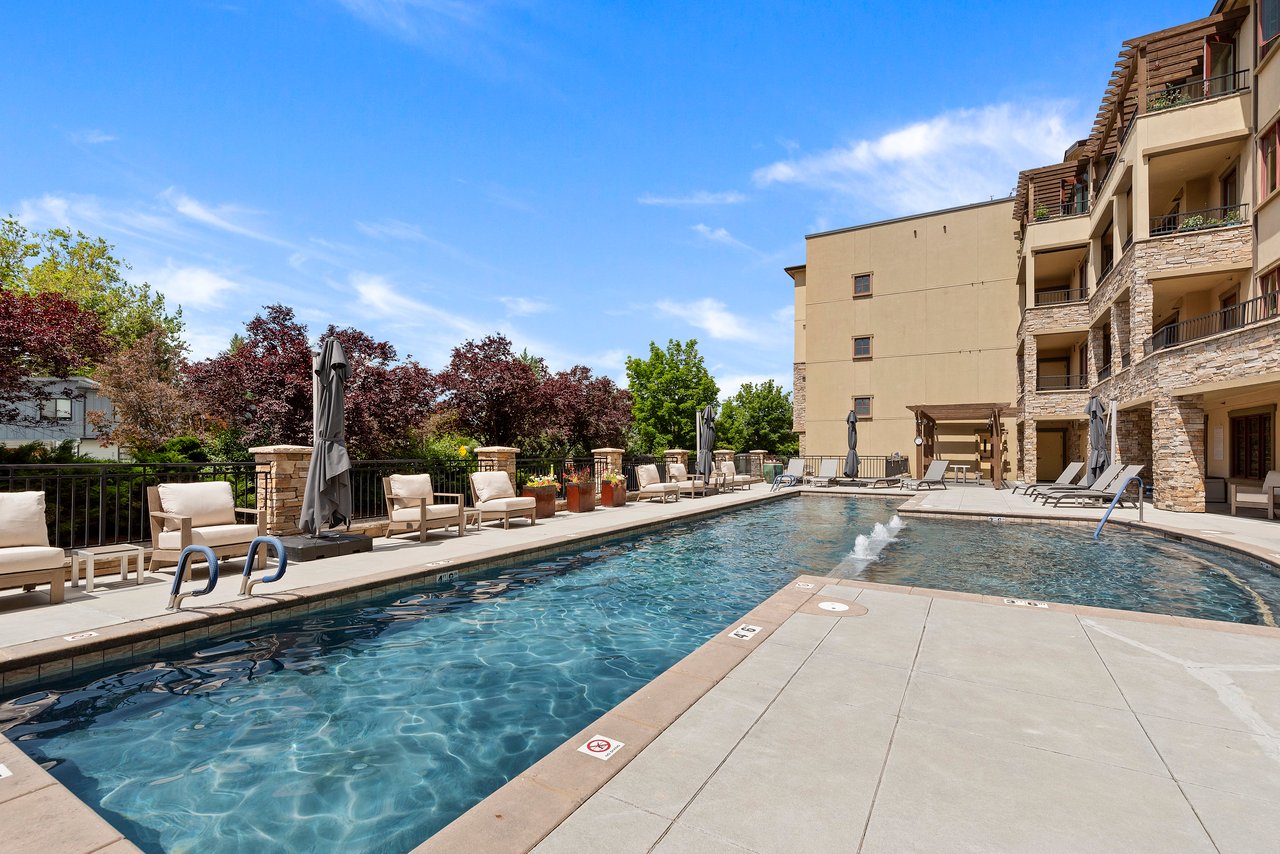
Buying a condominium means purchasing a private residence within a larger legal, physical, and financial structure. Ownership depends not only on the unit, but also on shared property, governing documents, association finances, insurance, maintenance responsibilities, and community rules.
Those layers do not make condominium ownership inherently more difficult than owning a detached home, but they make the details of the specific property important. Rights and responsibilities vary, so recorded documents, title information, lender and insurance requirements, inspections, and professional advice should guide your review.
What Is Owned and How It Is Documented
Legal documents define the boundaries of a condominium unit, not what appears private during a showing. An owner typically holds title to the unit and shares an interest in common elements. Other areas may be limited common elements, reserved for one unit without being owned in the same way as the residence.
Parking, storage, balconies, patios, windows, doors, utility lines, and other components can be treated differently from one community to another. A parking space may be deeded, assigned, licensed, or designated as a limited common element. Storage may transfer with the unit or remain under association control. These distinctions can affect use, maintenance, transfer, and value.
The declaration, bylaws, rules, plats, and amendments describe how the property is organized and governed. They may define voting rights, maintenance obligations, leasing and pet policies, renovation procedures, insurance responsibilities, and the association’s authority. Budgets, financial statements, reserve information, meeting minutes, insurance materials, and notices of planned work show how the structure operates in practice.
The Association and the Cost of Shared Ownership
The association maintains and governs shared portions of the property. Owners fund that work through regular assessments and participate through the rights established in the governing documents.
Monthly dues may support exterior maintenance, landscaping, insurance, utilities, management, staffing, amenities, security, cleaning, snow removal, and reserves. The number makes sense only beside the total ownership cost, the services provided, and the property's condition and complexity.
Reserves are intended for larger repairs and replacements over time. A reserve study or other capital plan can help estimate future needs, but consider it alongside the building's age and condition and whether the association is following or adapting its plan. A special assessment may be used when regular dues and reserves are insufficient or when owners choose to fund a project separately. Its significance depends on the reason, scope, funding, and likelihood of related work.
Financing and Insurance
Condo financing considers both the borrower and the condominium project. A lender may review association insurance, finances, owner occupancy, litigation, delinquencies, commercial space, deferred maintenance, and rental concentration. A qualified buyer can still encounter a building that doesn't meet a particular loan program's requirements, especially in smaller, mixed-use, newer, investor-heavy, or otherwise less conventional projects.
Insurance also operates at two levels. The association generally covers shared property according to its policy and governing documents. The owner carries separate coverage for the unit, personal property, liability, loss assessment exposure, and other individual risks.
The dividing line varies, so the master policy and proposed owner coverage should be reviewed together. Deductibles, exclusions, interior finishes, recent claims, and changing insurance costs can affect both personal exposure and the association budget.
Rules and Future Use
Condominium rules shape how a residence may be occupied, modified, rented, and used. Policies may address pets, leasing, minimum rental periods, guests, smoking, noise, balconies, electric vehicle charging, renovations, move-in procedures, and amenities.
A buyer planning to keep the unit as a second home, rent it later, accommodate a pet, or renovate should confirm that those uses are permitted and practical. Rules can also change through the processes established in the governing documents, so future flexibility is never unlimited.
Physical Condition and Resale
A unit inspection is important, but the condition of shared components also affects ownership. Roofs, elevators, exterior systems, windows, plumbing, electrical service, fire protection, parking structures, and drainage may represent substantial association responsibilities.
Available reports, reserve information, maintenance history, insurance claims, meeting minutes, and planned projects help connect the property's physical condition to its financial plan. No document package removes uncertainty, but it can show what is known, how the association is responding, and whether funding appears adequate.
The same factors influence resale. Location, floor plan, views, light, parking, storage, building condition, association finances, dues, and rental flexibility can all affect future demand. Considering who may value the residence later can reveal limitations that are easy to overlook when its immediate appeal is strong.
A Practical Review
A thoughtful purchase starts with the residence and expands outward. First, determine whether the home and location support priorities. Then confirm what the unit legally includes and how parking, storage, and other rights are documented. From there, review governance, finances, insurance, rules, physical condition, and capital needs.
No single finding tells the whole story. One concern may be manageable in context, while several smaller issues can combine into a meaningful risk. Due diligence will not produce a flawless property; it should make the responsibilities, costs, limitations, and benefits clear enough for an informed decision.