By Jody Hinton
Urban Boise Advisor
My family settled permanently in Boise in 1977, but Idaho had felt like home long before that. My father was born in Nampa, I graduated from Bishop Kelly High School, and all four of my children were born here. I have watched Boise change through several stages of my own life, from a place where downtown could feel remarkably quiet to a city where more people now consider living in or near the center of activity.
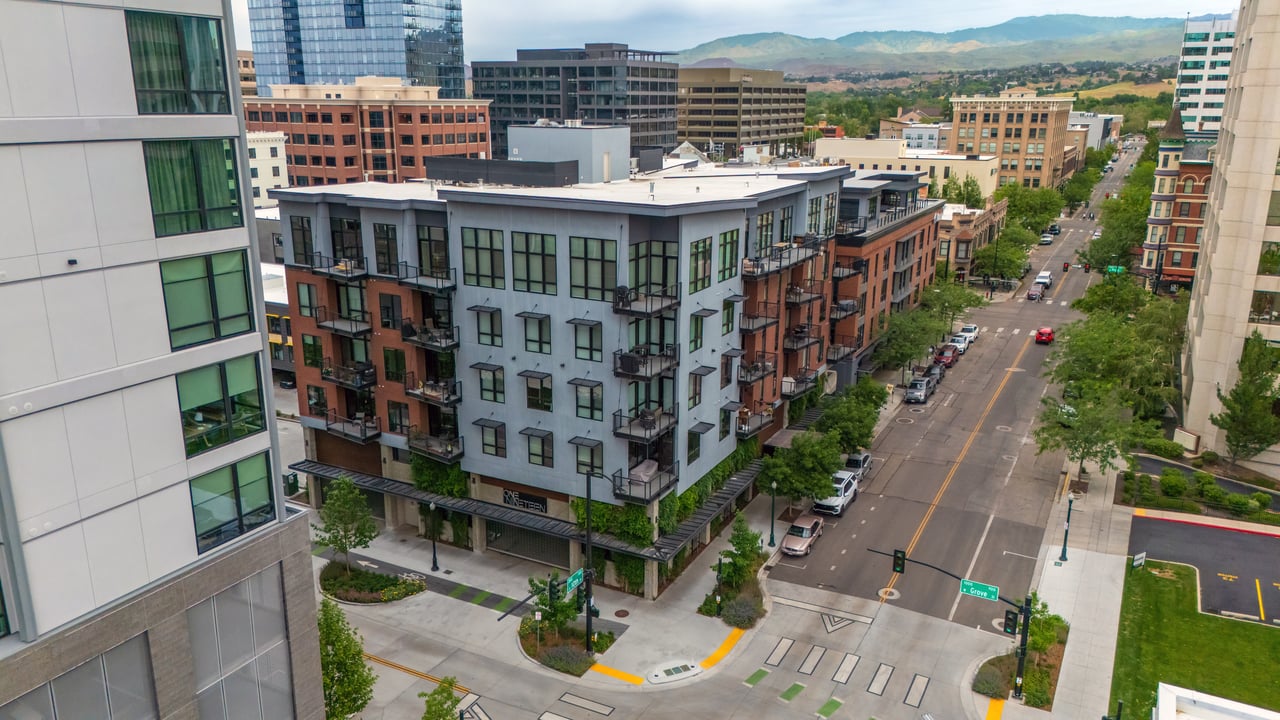
That does not mean every change has been simple, or that one kind of growth works for everyone. What stands out to me is the greater range of choices people have today. Boise’s urban housing market now includes newer condominium buildings, adapted historic properties, larger residences designed for full-time living, and smaller homes that may work well as a second residence or a lock-and-leave option. The city has also developed more of the daily life that makes close-in living appealing: restaurants, music, sporting events, local businesses, parks, and access to the river and Greenbelt.
For someone who remembers how limited those choices once were, that evolution is meaningful. It has also made the decision more complex.
Urban Living Is Not One Experience
People sometimes discuss “downtown living” as though it describes a single lifestyle. It does not. A residence in the center of downtown can feel very different from a condominium near an established neighborhood, a park, or the edge of the city core.
Some buyers want immediate access to restaurants, events, and downtown energy. They may be comfortable with traffic, one-way streets, more activity, and some additional noise because proximity is the priority. Others want to stay close to downtown while valuing quiet surroundings, green space, or a stronger separation between home and the city's busiest parts.
Neither preference is inherently better. They represent different versions of city living. The useful question is not simply whether someone wants a condo downtown. It is how they want an ordinary day to feel, what they want within walking distance, and which trade-offs they are comfortable accepting.
The Residence Is Only Part of the Decision
My understanding of condominium ownership deepened during six years with the on-site sales team at Crescent Rim Luxury Condos. That work gave me a close view of a new development and of the questions people begin asking when they move from a single-family home into a shared community.
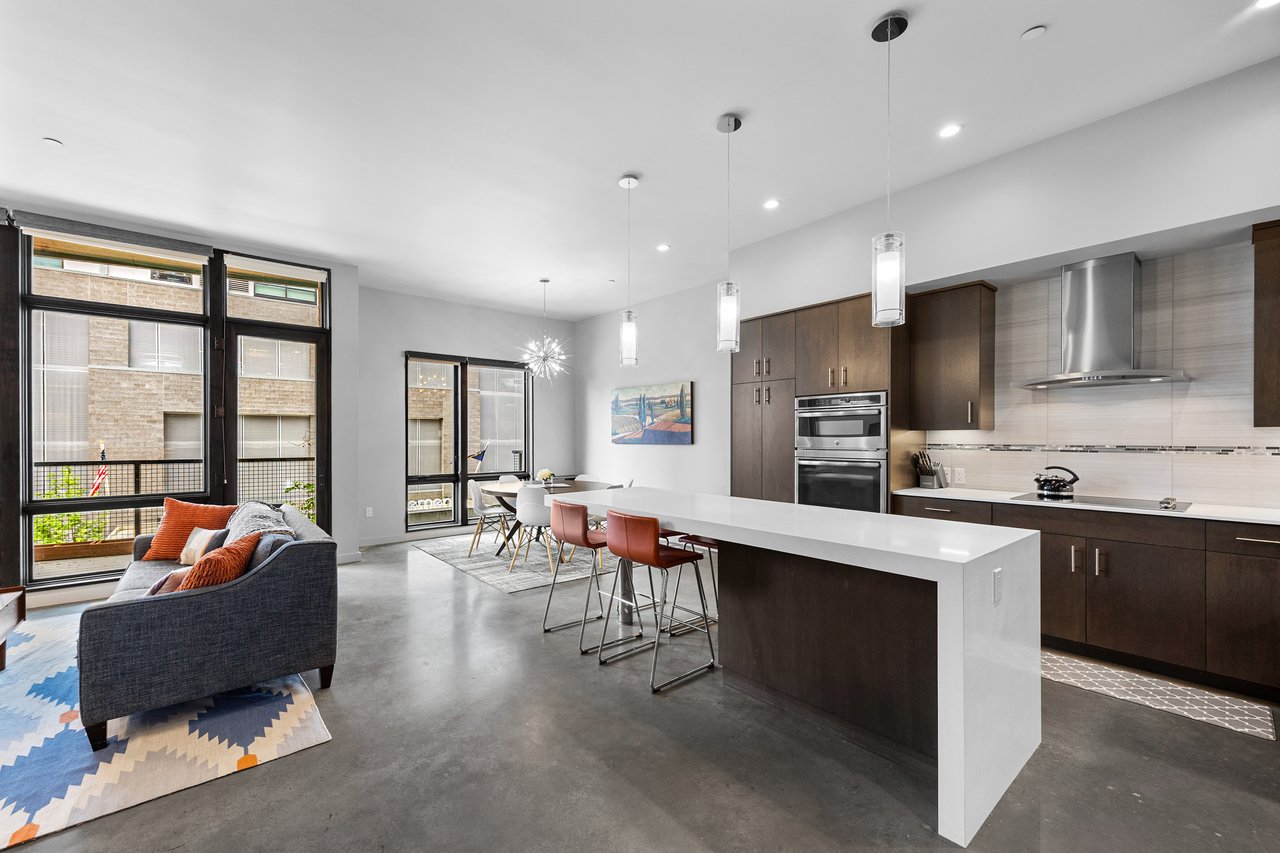
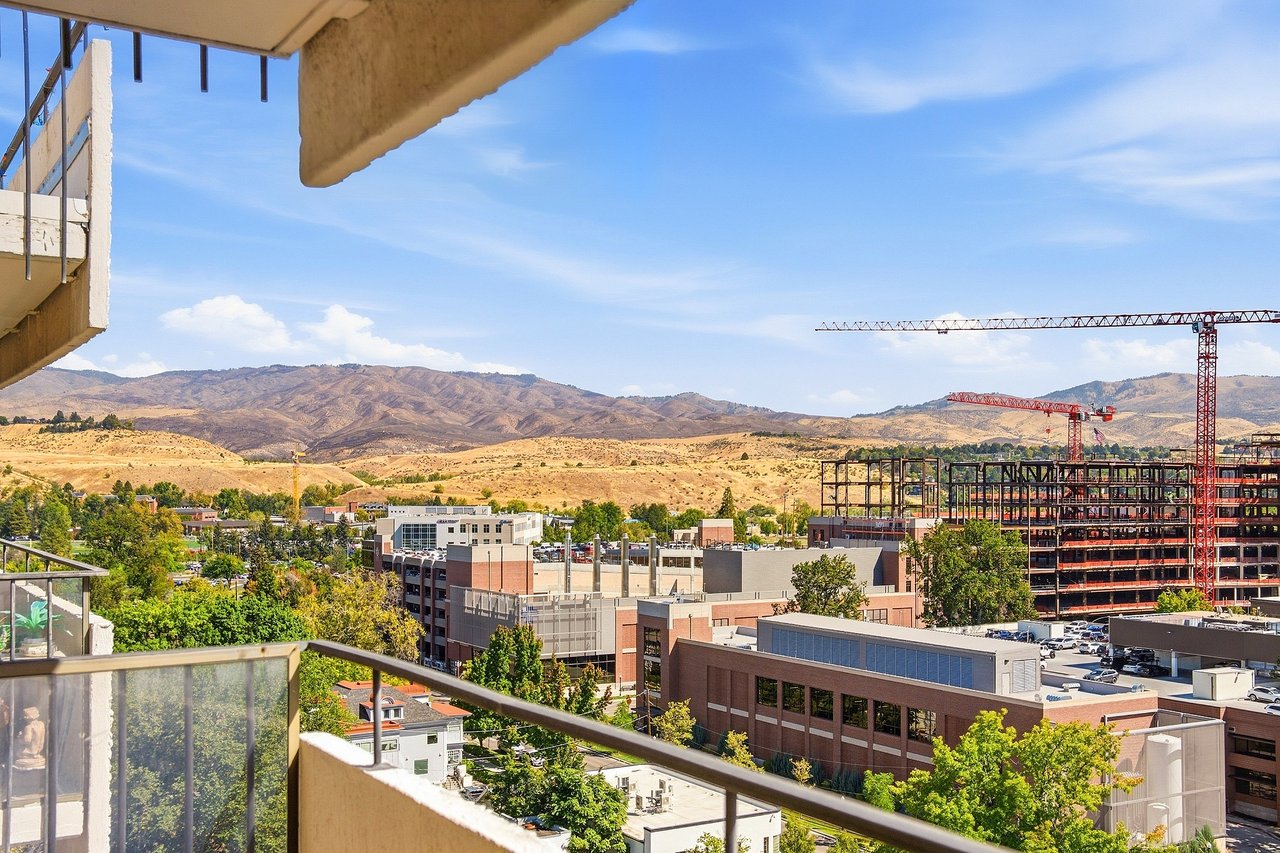
The residence itself matters, of course. Buyers respond to the floor plan, natural light, finishes, views, and outdoor space. But the ownership experience is also shaped by the association, management, maintenance, shared spaces, parking, storage, pet policies, deliveries, security, and building routines. Many of those details are less visible during a showing, yet they can affect daily life more than a feature that makes an immediate first impression.
That is one reason building knowledge matters in this market. Two condominiums with similar prices and square footage can offer very different ownership experiences. The better comparison is not only between the residences. It is between the buildings, their operations, and the responsibilities that come with living in them.
Downsizing Is More Than Choosing Less Space
Many of the condominium buyers I have worked with were also navigating a larger transition. They were selling a single-family home, deciding what to keep, reconsidering furniture, and imagining how they wanted to spend their time with less property to manage.
Those decisions can be exciting, but also intimidating. A smaller residence may require choices about belongings that have accumulated over many years. Furniture that worked in one home may not suit the scale or layout of the next. The timing of a sale and purchase may need careful coordination. The buyer is not simply selecting a property; they are reorganizing part of their life.
The appeal is often greater simplicity and better access to the experiences they value. But simplicity doesn't happen automatically just because the new home has fewer square feet. It comes from understanding the transition, preparing for it, and choosing a residence and community that support the life the buyer actually wants.
What a Long View Adds
A long view of Boise doesn't provide a perfect forecast, and it shouldn't be used to romanticize the past or assume every new project will succeed. What it can provide is context.
It reminds me to consider how locations function over time, not only how they present today. Traffic patterns, nearby development, parking, access to outdoor space, and a building's relationship to its surroundings can all shape a property's daily experience and future appeal. It also reminds me that urban buyers are not one group with identical priorities. The right choice depends on what someone values and which compromises make sense for them.
Boise’s urban housing market has grown from a very limited set of residential choices into a more varied collection of buildings, locations, and ownership experiences. That variety is a strength, but it also increases the need for better information and more thoughtful comparison.
That is what interests me about the work behind Urban Boise. It creates a place to document what distinguishes these buildings, explain the responsibilities that come with condominium ownership, and help people look beyond the listing itself. The goal is not to promote one version of urban living. It is to help people understand the options well enough to recognize which version may be right for them.