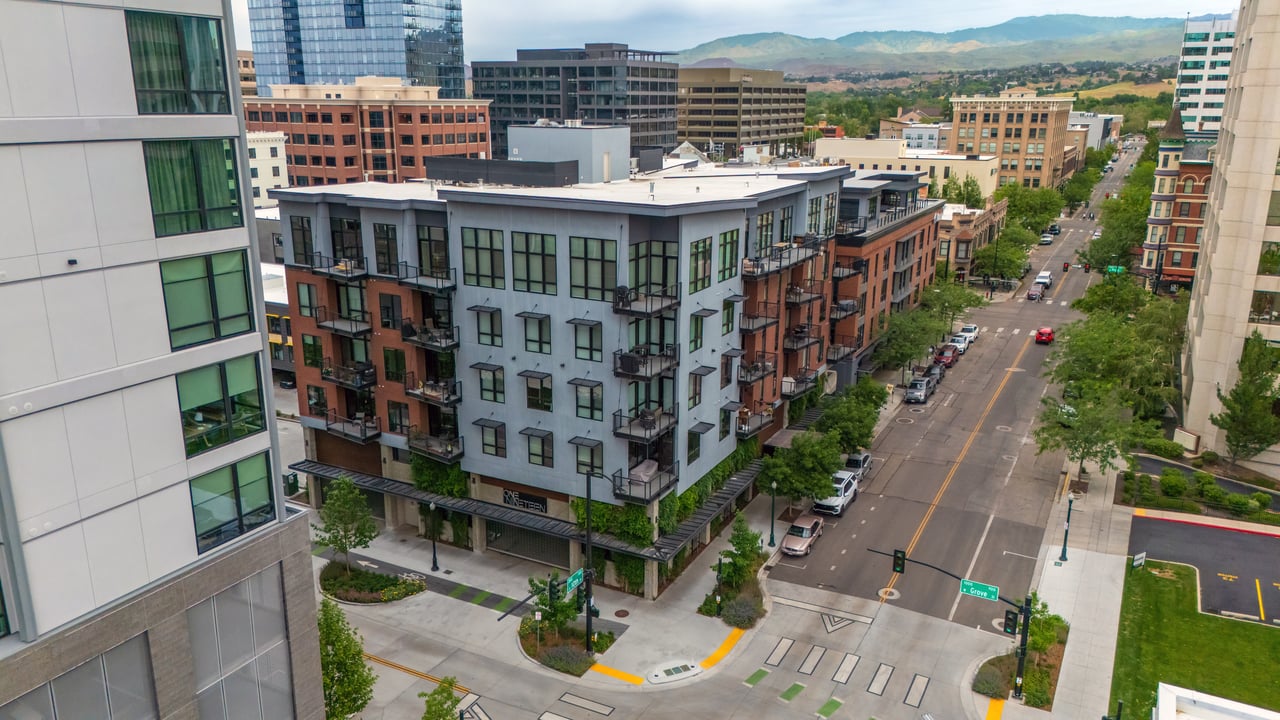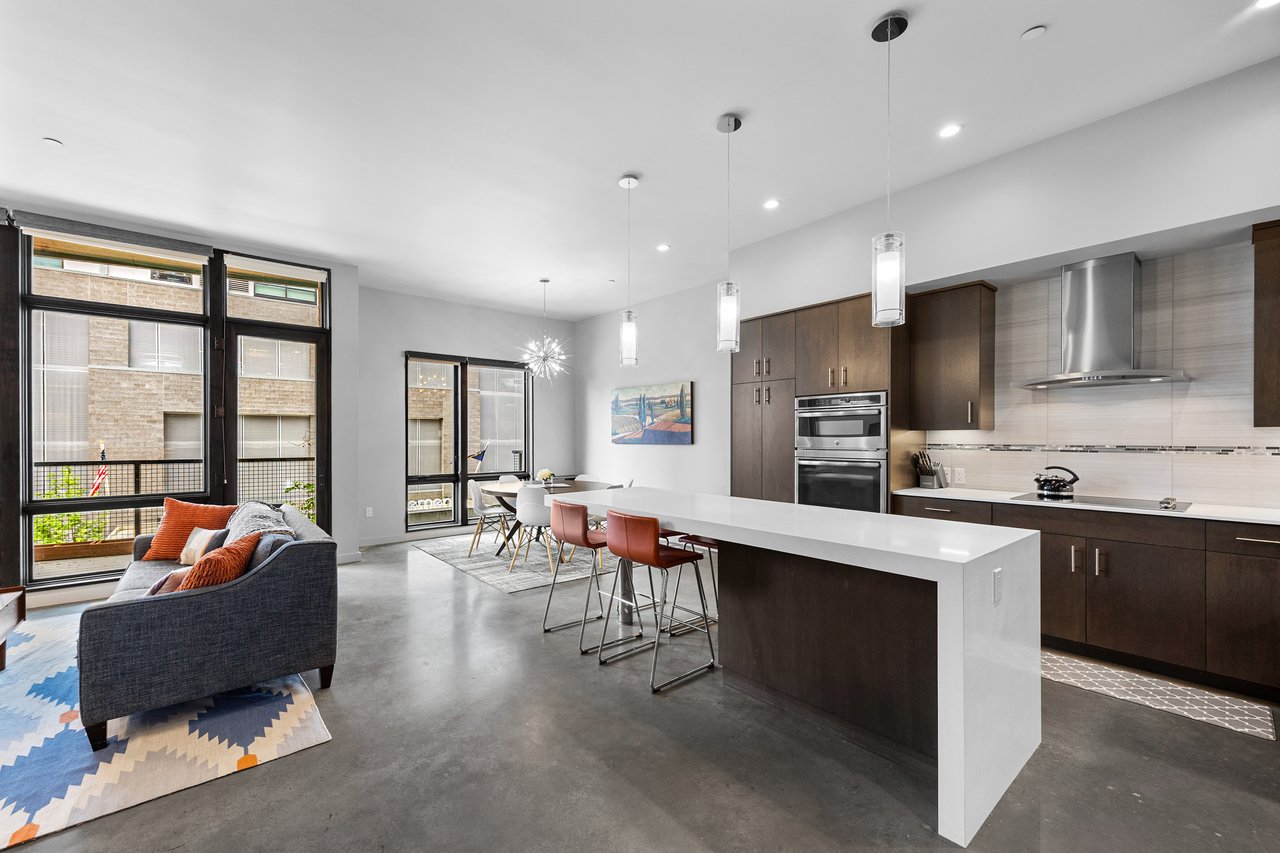
Urban living is often pictured as a condominium overlooking downtown, a coffee shop around the corner, and the ability to walk to dinner. Those details can be part of it, but the category is better understood through the relationship between home and daily life.
In Boise, that relationship takes several forms. It may be a downtown condominium, a historic loft, a close-in townhome, a lower-maintenance residence near the Greenbelt, or a home connected to an active neighborhood center. The common thread is not a particular address or housing type. It is the value placed on proximity, access, and connection, sometimes in exchange for private space, storage, or a larger yard.
Lifestyle, Not Simply Location
Downtown offers Boise’s most concentrated version of city living, with housing near restaurants, offices, cultural destinations, events, parks, and public spaces. Other close-in neighborhoods and mixed-use communities provide different balances of activity and residential character.
Some residents want to step directly into downtown energy. Others prefer a quieter setting near a park or established neighborhood while remaining a short walk, bicycle ride, or drive from the core. Neither is a lesser version of urban living. The distinction is how each location supports an ordinary week.
Proximity can make coffee part of a morning walk, reduce the planning required to meet someone for dinner, or place a park, office, event, or exercise route close enough to use more often. Boise remains a city where driving is useful, but a well-located home can make the car less central to the day.
City Life and Outdoor Access
Boise’s urban experience is closely connected to the outdoors. The river, Greenbelt, city parks, and routes toward the Foothills allow residents to combine dining, work, and cultural activity with walking, cycling, running, and recreation.
That connection varies by address. A downtown residence may provide the easiest access to work and events. A property near the Greenbelt or a major park may create a stronger daily relationship with outdoor space. A close-in neighborhood may offer easier trail access while placing downtown slightly farther away.
“Near downtown” and “near recreation” are therefore not interchangeable. The useful comparison is between the routes, distances, and destinations a resident will actually use.
The Trade Between Access and Private Space
Urban housing often shifts the balance between private property and shared or nearby amenities. A condominium or townhome may provide less storage, outdoor space, or separation from neighbors. Parking may be assigned, and an association may regulate pets, rentals, renovations, noise, or shared areas. In return, the property may reduce maintenance and place more of the city within reach.
That trade can be especially important for someone leaving a larger home. Downsizing is not only a change in square footage. It can mean reconsidering belongings, furniture, hobbies, and which parts of a previous home remain important. A smaller residence creates simplicity only when its space, responsibilities, and location support the owner’s routine.
Urban Housing Is Not One Product
Boise’s urban buildings and communities differ in age, construction, services, parking, amenities, association structure, and operating costs. A historic loft may emphasize character and location. A newer building may offer contemporary systems and secured parking. A smaller association may ask more of its owners, while a larger property may provide more services at a higher shared cost.
These differences shape monthly expenses, maintenance, financing, insurance, and future flexibility. They also explain why two residences with similar prices and square footage can produce very different ownership experiences.
Urban living can suit professionals, downsizers, second-home owners, frequent travelers, investors, and people who prefer access over extra private space. It may be less suitable for someone who needs substantial storage, a large yard, room for major projects, or greater separation from neighbors. Boise also offers middle ground through townhomes and close-in neighborhoods.
The real question isn't whether urban living is better than another form of housing. It is which combination of home, location, and responsibility supports the life an owner wants.